
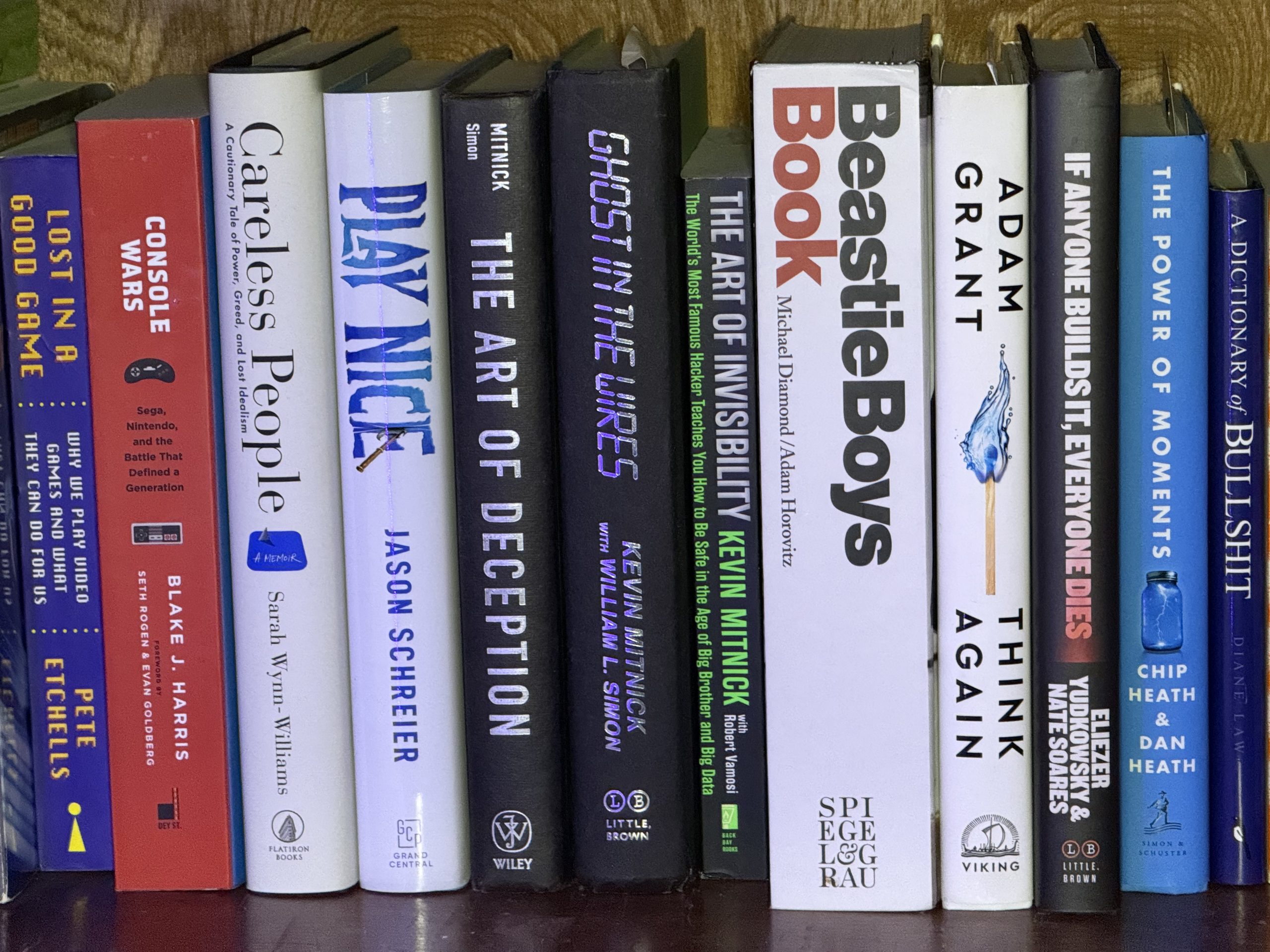
A list of books that I have found something of value or personal interest. I may not incorporate all of the lessons in each book, but they have all influenced my thinking in one way or another.
-
Managing Humans
By Michael Lopp
Managing Humans by Michael Lopp is one of those books I keep coming back to, especially when navigating the messy realities of leading technical teams. Lopp writes like he’s been in the trenches with you, turning the chaos of managing engineers, handling difficult conversations, and building functional teams into actionable wisdom without the typical management book fluff. If you work with developers or find yourself translating between technical and business worlds, this book cuts through the theory and gives you practical frameworks for the human side of technology work.
-

Beastie Boys Book
By Michale Diamond, and Adam Horovitz
Beastie Boys Book by Michael Diamond and Adam Horovitz is part memoir, part cultural history, and as someone who counts the Beastie Boys among my all-time favorite bands, it delivered on every level. What makes the book special isn’t just the behind-the-scenes stories about one of hip-hop’s most innovative groups, but how it captures their evolution from bratty punk kids to thoughtful artists who were constantly reinventing themselves. The way they describe their creative partnership and willingness to experiment has influenced how I think about collaboration and risk-taking in team environments. Their journey shows that longevity isn’t about finding one successful formula and sticking to it, but about staying curious, supporting each other through failures, and being willing to completely change direction when something isn’t working.
-
Made to Stick
By Chip and Dan Heath
Made to Stick by Chip and Dan Heath was required reading during my college years, and true to its title, it’s stuck with me ever since. The Heath brothers break down why some ideas take hold while others fade, offering a framework (SUCCESs: Simple, Unexpected, Concrete, Credible, Emotional, Stories) that’s immediately practical. Whether I’m crafting a product vision or explaining technical concepts, I keep coming back to their core insight: the stickiest ideas aren’t the most complex but the ones that connect with people
-
The Art of Deception
By Kevin Mitnick
The Art of Deception by Kevin Mitnick explores the human factors involved with information security and how social engineering often bypasses even the most sophisticated technical defenses. Mitnick’s firsthand account of how people, not systems, are typically the weakest link in security validated what I’ve seen repeatedly in technology organizations. The book makes it clear that the best firewalls and encryption mean nothing if someone can simply talk their way past your front desk or trick an employee into clicking a link.
-
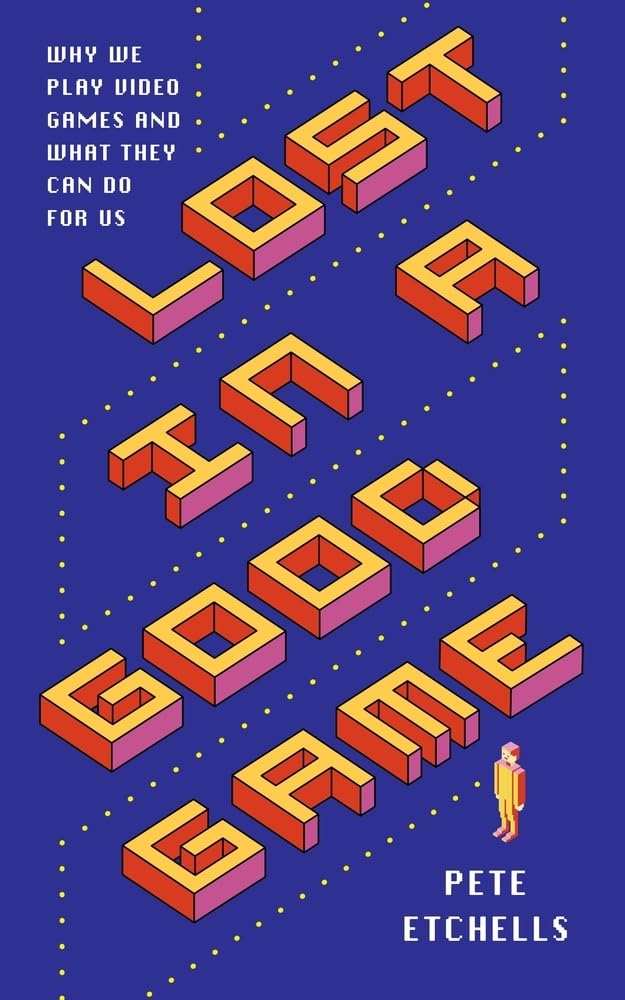
Lost in a Good Game
By Pete Etchells
Lost in a Good Game by Pete Etchells explores the psychology behind why we play video games and their impact on our lives. As a lifelong gamer who’s followed the industry since the console wars of the 90s, this book validated what I’ve always intuited about gaming’s value beyond entertainment. Etchells’ research-backed look at how games teach problem-solving, resilience, and community challenges the narrative that gaming is purely escapism or addiction.
-
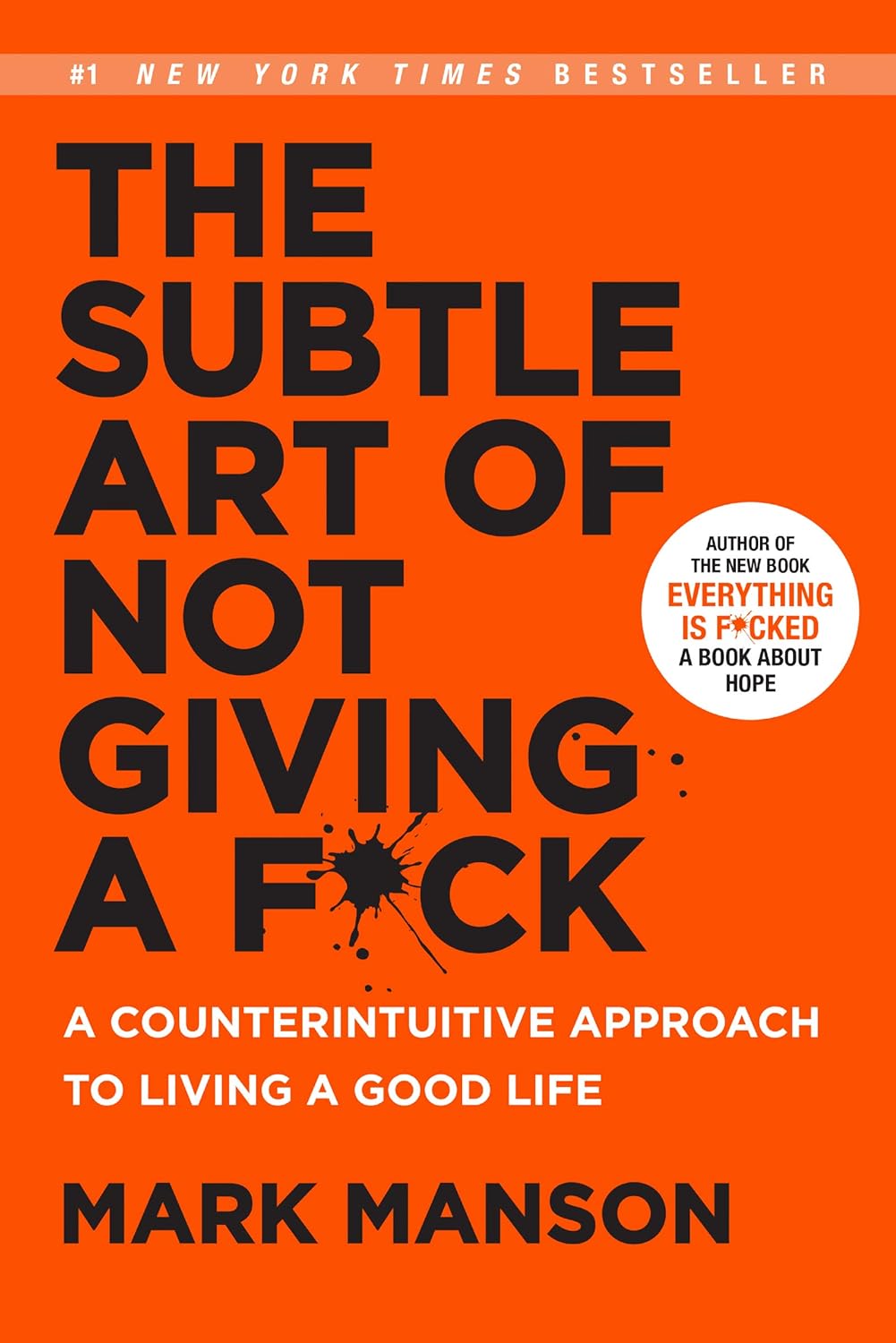
The Subtle Art of Not Giving a F*ck
By Mark Manson
The Subtle Art of Not Giving a Fck* by Mark Manson cuts through a lot of the toxic positivity that dominates self-help and business culture. Manson’s argument that we need to be more selective about what we care about has been surprisingly relevant to leadership work, especially when navigating the endless competing priorities that come with managing people and projects. The book helped me get better at saying no to things that don’t matter and doubling down on the few things that actually do, which turns out to be one of the most valuable skills when you’re trying to rebuild teams or turn around struggling organizations.
-
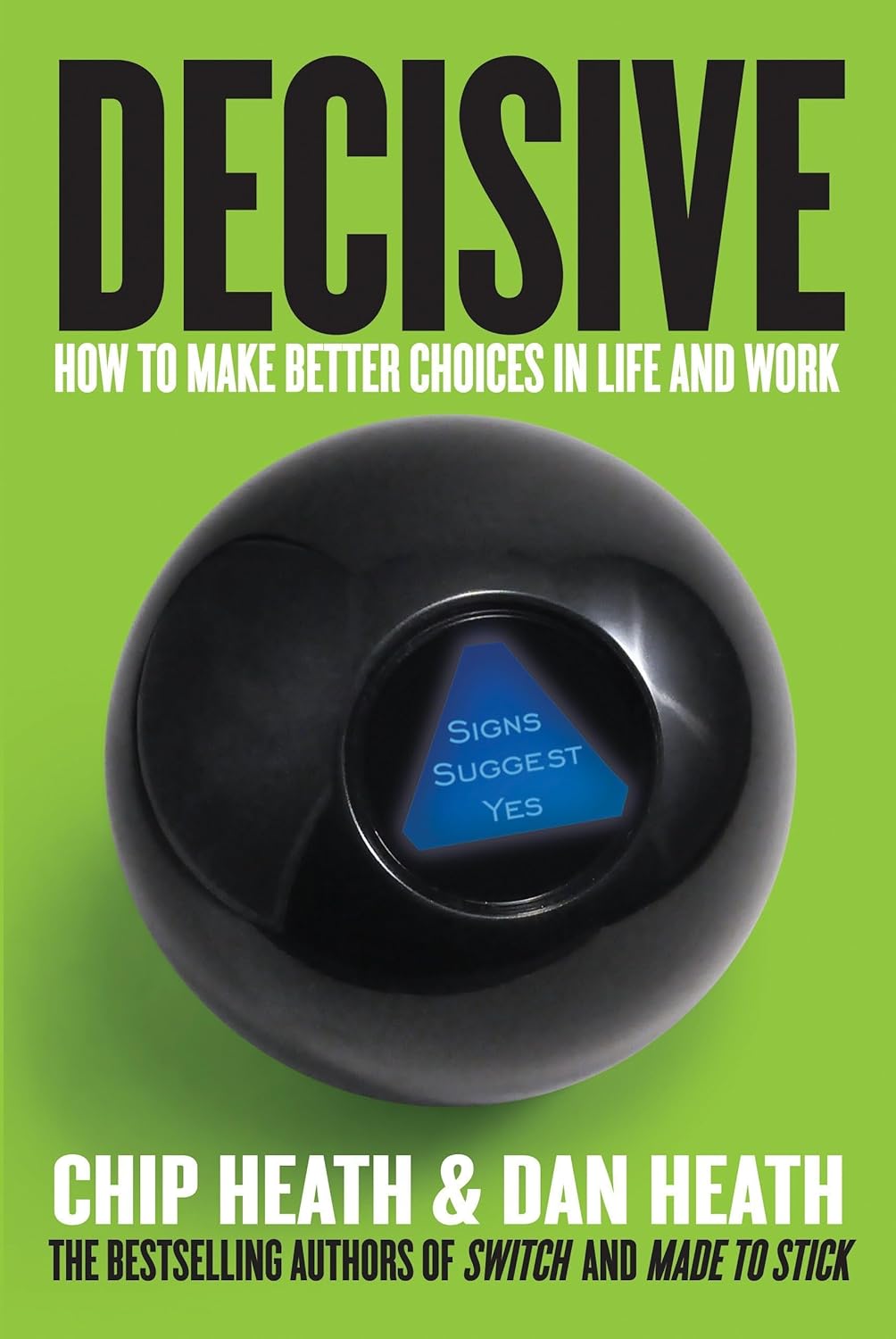
Decisive
By Chip Heath & Dan Heath
Decisive by Chip and Dan Heath tackles why we make such predictably bad decisions and offers practical frameworks to improve them. The Heath brothers identify common decision-making traps and provide tools to avoid them, which has been invaluable when I’m helping teams work through high-stakes choices or organizational pivots. The book reinforced that good decisions aren’t about having perfect information but about using better processes to work with the information you have.
-
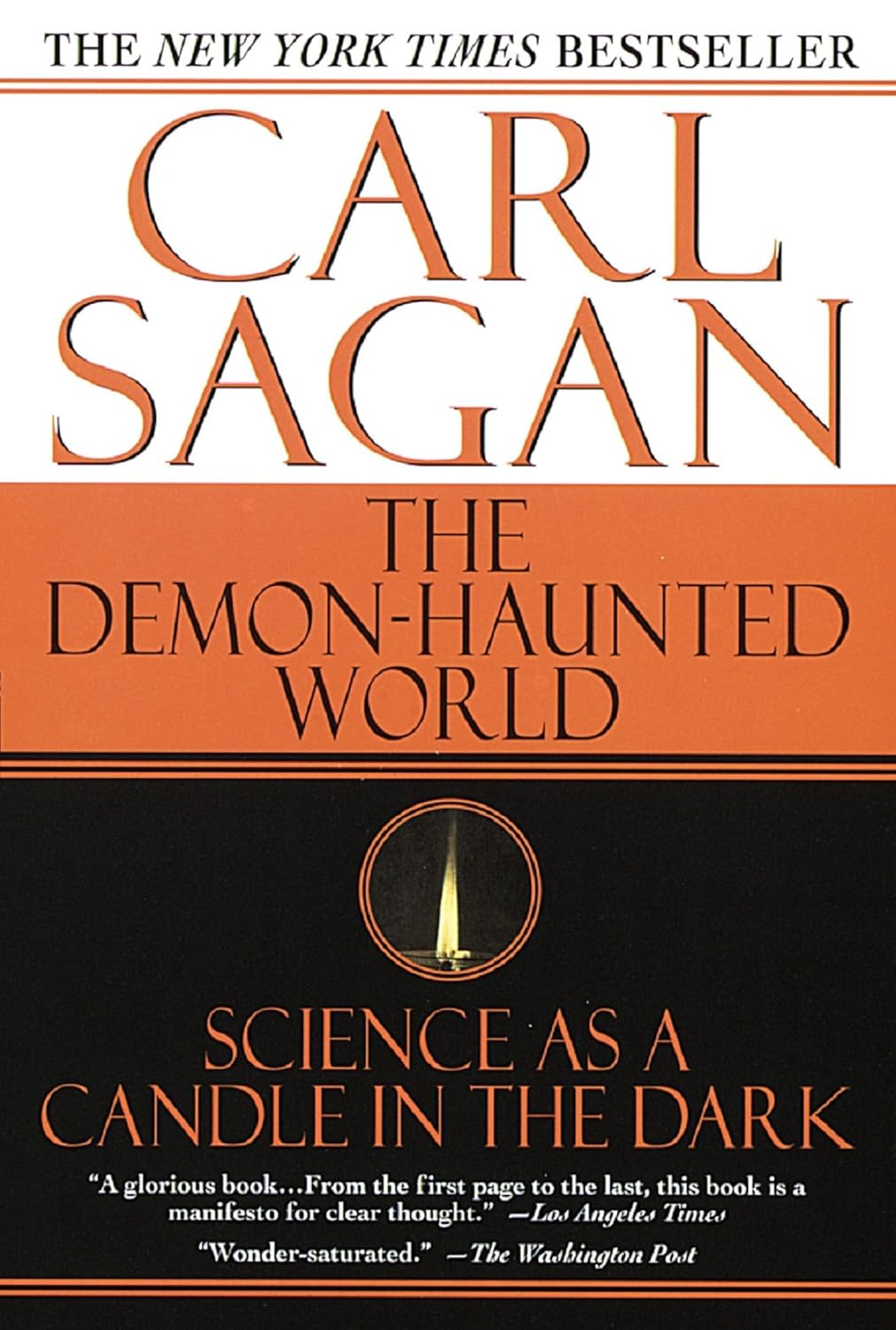
The Demon-Haunted World
By Carl Sagan
The Demon-Haunted World by Carl Sagan is essentially a love letter to critical thinking and scientific skepticism, and it’s profoundly shaped how I approach problem-solving and decision-making. Sagan’s “baloney detection kit” has become a mental toolkit I use constantly, whether I’m evaluating a new business strategy, assessing team dynamics, or trying to separate signal from noise in organizational challenges. The book taught me to ask better questions, demand evidence, and remain intellectually humble, which turns out to be essential when leading teams through uncertainty. It’s also made me better at creating cultures where people feel safe challenging assumptions and where healthy skepticism is valued over blind consensus.
-
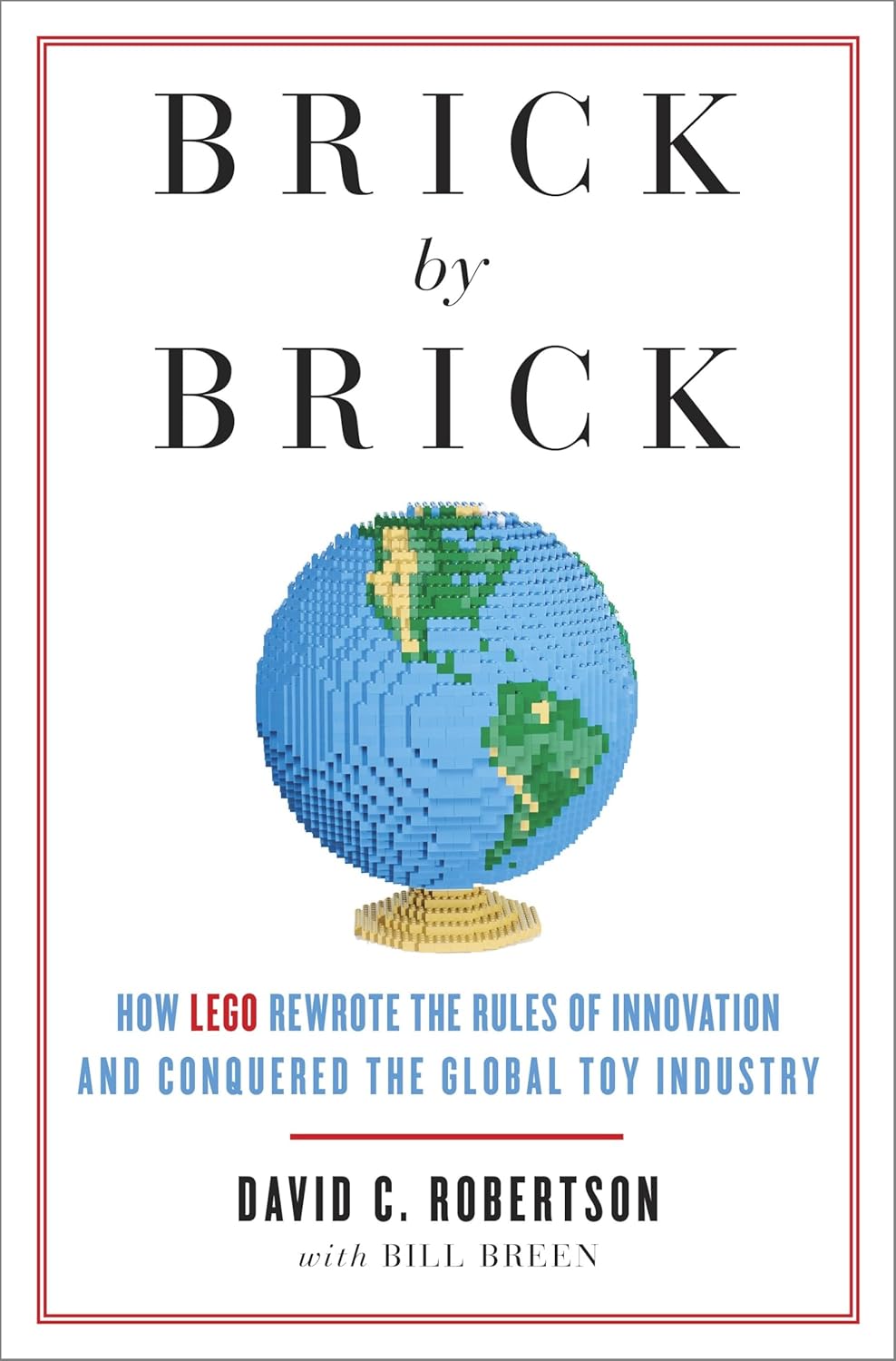
Brick by Brick
by David Robertson & Bill Breen
Brick by Brick by David Robertson and Bill Breen chronicles LEGO’s near-bankruptcy and remarkable turnaround, and as an AFOL (Adult Fan of LEGO), this one hit particularly close to home. Robertson shows how LEGO saved itself by getting back to basics and remembering what made them special in the first place, rather than chasing every new trend and innovation. The book has been incredibly influential in how I think about organizational identity and focus, especially when working with teams that have lost their way or are trying to do too much at once. It’s a powerful reminder that sometimes the path forward isn’t about radical reinvention but about rediscovering and doubling down on your core strengths
-
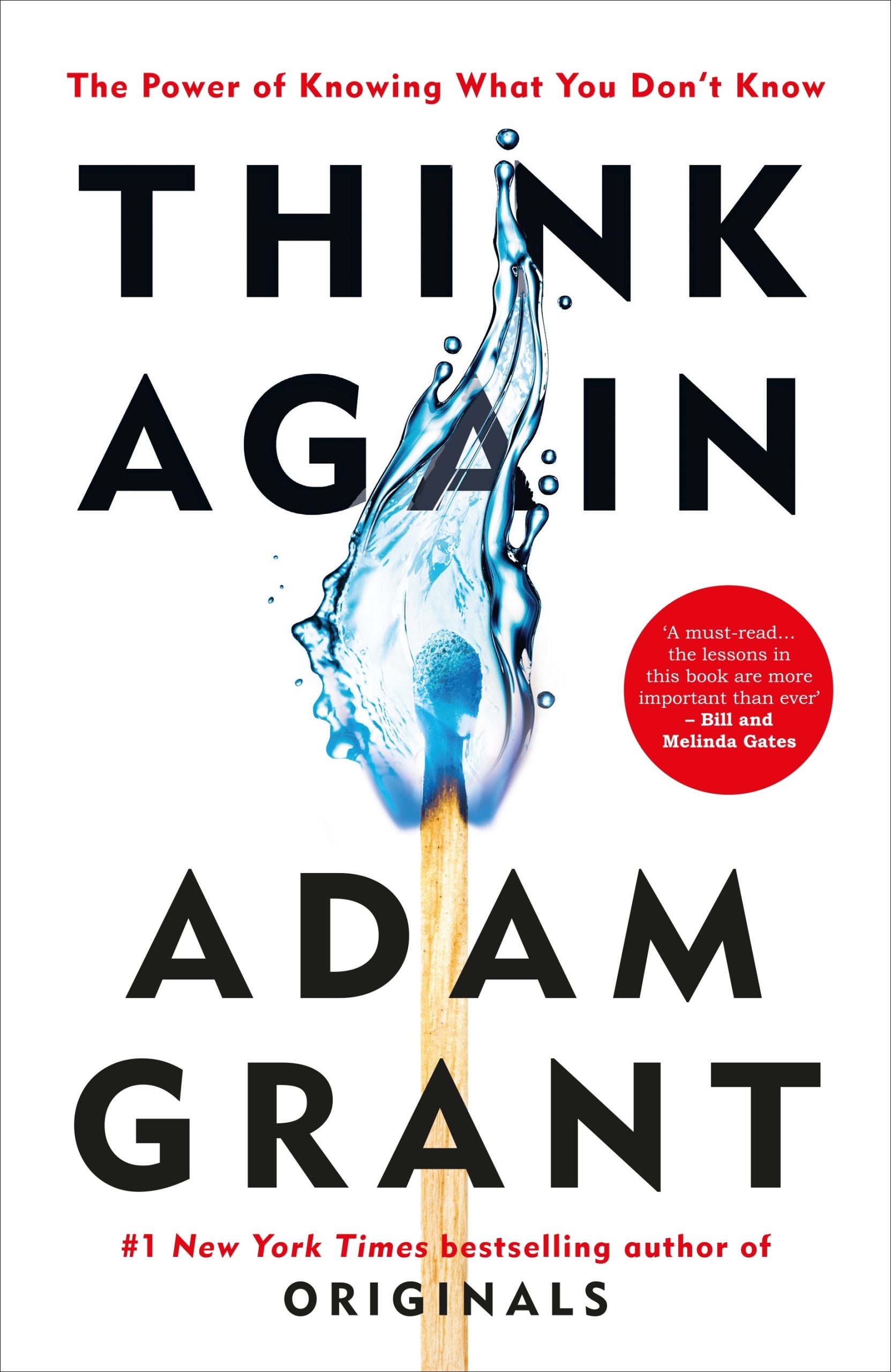
Think Again
By Adam Grant
Think Again by Adam Grant challenges the idea that being right matters more than being willing to reconsider. Grant makes a compelling case for treating your opinions like hypotheses rather than gospel, which has been particularly valuable in my work rebuilding teams and navigating organizational transitions. The book pushed me to be more comfortable admitting when I’m wrong, more curious about perspectives that challenge my assumptions, and better at creating environments where others feel safe doing the same.